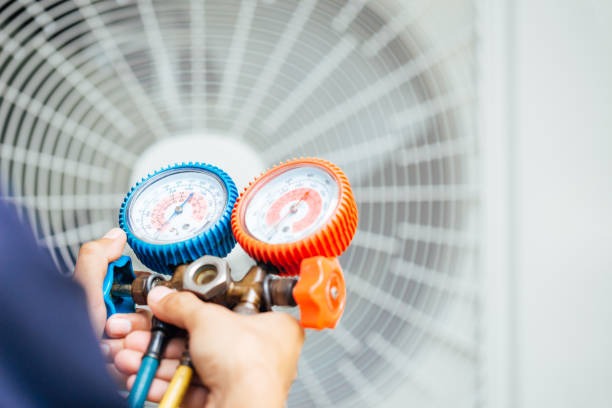
Air conditioning systems are essential for maintaining comfort in homes and workplaces, especially during hot seasons. However, like any mechanical system, they can encounter issues that affect their efficiency and performance. One of the most common problems involves refrigerants—the substances responsible for cooling the air in AC units. Understanding these issues and knowing how to address them can help ensure your air conditioner operates smoothly.
One prevalent issue is refrigerant leaks. Refrigerants circulate through coils within the AC unit, absorbing heat from indoor air and releasing it outside. Over time, wear and tear or damage to these coils can cause leaks, reducing the amount of refrigerant available to cool your home effectively. Signs of a leak include reduced cooling capacity, hissing sounds from the unit, or ice forming on the evaporator coils. To fix this problem, it’s crucial first to locate the leak using specialized tools like electronic detectors or UV dye kits. Once identified, a certified technician should repair or replace damaged components before recharging the system with the appropriate amount of refrigerant.
Another issue involves incorrect refrigerant levels due either to improper installation or previous repairs where technicians failed to charge the system correctly. An overcharged system might result in increased find out pressure leading to compressor damage while undercharging reduces efficiency and increases energy consumption as well as wear on components due to longer operating cycles required for adequate cooling output which may lead eventually towards premature failure if not addressed timely manner by professional service providers who would adjust accordingly based upon manufacturer specifications ensuring optimal performance throughout its lifespan without compromising safety standards set forth industry regulations governing such practices today’s market environment globally recognized best practice guidelines adherence paramount importance safeguarding both equipment longevity user satisfaction alike amidst ever-evolving technological advancements shaping future trends HVAC sector worldwide.