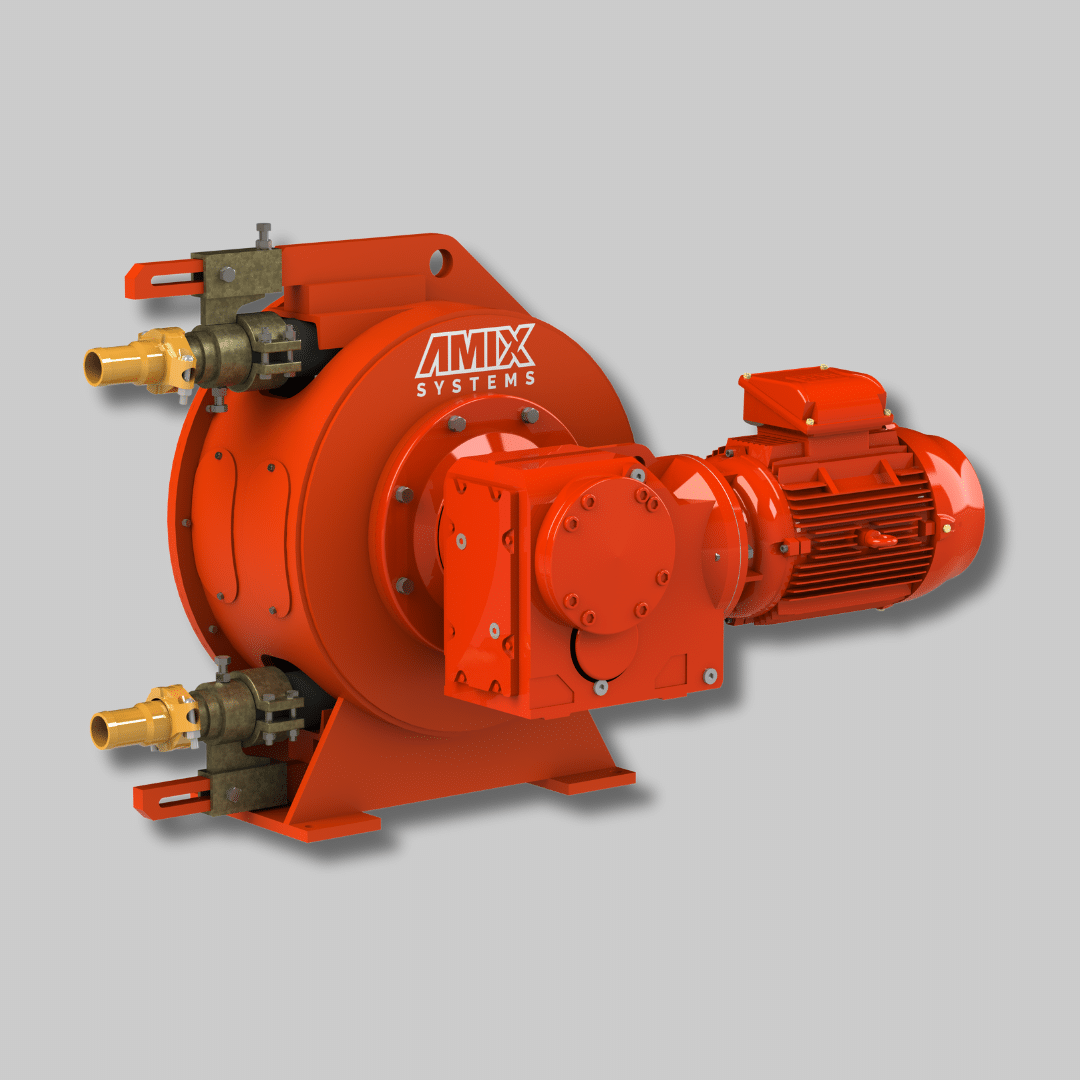
Tunnel grouting is a crucial technique in civil engineering that ensures the stability and safety of underground structures. It involves injecting grout-a fluid mixture of water, cement, and sometimes additives-into soil or rock formations surrounding tunnels to improve their strength and reduce permeability. This method addresses challenges such as water ingress, ground settlement, and weak soil conditions encountered during tunneling projects.
There are several tunnel grouting methods commonly employed depending on the geological conditions and project requirements. One widely used approach is permeation grouting, which entails injecting low-viscosity grout under pressure into porous soils without disturbing the ground structure. This method fills voids between soil particles, increasing density and reducing permeability. Permeation grouting is particularly effective in sandy or silty soils where controlling groundwater flow is essential.
Another important technique is compaction grouting. Unlike permeation grouting, this method uses a stiff grout mix injected at high pressure to physically displace loose soils or fill cavities around the tunnel lining. The process compacts the surrounding ground by creating localized zones of increased volume that push adjacent materials together, enhancing overall stability. Compaction grouting proves beneficial when dealing with loose sands or gravelly layers prone to settlement or collapse.
Jet grouting represents a more advanced form rigid couplings of tunnel stabilization involving high-velocity jets of grout combined with compressed air or water to erode and mix in-situ soil with cementitious material. This creates solidified columns called jet-grouted pillars that act as structural supports around tunnels or shafts. Jet grouting can be precisely controlled for depth and diameter making it suitable for complex geometries or difficult ground conditions such as soft clays mixed with boulders.
Additionally, chemical grouting employs specialized resins instead of traditional cement-based mixtures to achieve rapid setting times and improved penetration capabilities in fine-grained soils like silts and clays. These chemical agents react quickly after injection forming impermeable barriers that prevent water migration while reinforcing weak strata.
The selection of an appropriate tunnel grouting method depends on factors including soil type, groundwater presence, tunnel size, construction sequence, environmental considerations, and cost constraints. Proper site investigation through geotechnical surveys helps engineers determine optimal grout composition parameters such as viscosity and setting time tailored for specific subsurface profiles.
In conclusion, tunnel grouting methods play an indispensable role in modern civil engineering by mitigating risks associated with underground construction activities. By improving ground properties through targeted injection techniques like permeation, compaction, jetting or chemical treatment engineers enhance safety margins while minimizing environmental impact during excavation operations beneath urban areas or sensitive ecosystems. Advances in equipment technology coupled with better understanding of subsurface behavior continue to expand capabilities allowing increasingly ambitious tunneling projects worldwide to proceed efficiently yet securely under challenging geological scenarios.