When considering insulation services in Houston, it is important to understand the various options available and how they compare in terms of effectiveness, cost, and suitability for different types of properties. Houston’s climate, characterized by hot summers and mild winters, demands insulation solutions that can efficiently regulate indoor temperatures while reducing energy consumption. Several common types of insulation are offered by service providers in the area, including fiberglass batts, spray foam, cellulose, and rigid foam boards. Each option has distinct characteristics that influence its performance and installation process.
Fiberglass batts are among the most traditional forms of insulation used in residential settings. They consist of fine glass fibers woven into mats or rolls that fit between wall studs or attic joists. This material is relatively inexpensive and easy to install but may not provide a perfect air seal due to gaps around edges or compression during installation. Fiberglass also tends to lose some insulating value if it becomes damp or compressed over time.
Spray foam insulation services Houston has gained popularity for its superior air sealing capabilities and higher R-value per inch compared to fiberglass. It expands upon application to fill cracks and voids thoroughly, creating an effective barrier against heat transfer as well as moisture intrusion. Spray foam comes in two main types: open-cell and closed-cell varieties. Closed-cell spray foam offers better moisture resistance and structural strength but at a higher price point than open-cell foam.
Cellulose insulation is made from recycled paper treated with fire retardants and insect repellents. It can be blown into attics or walls as loose-fill material that conforms tightly around obstructions like wiring or pipes. Cellulose provides good thermal performance while being environmentally friendly due to its recycled content; however, it may settle over time requiring occasional topping up.
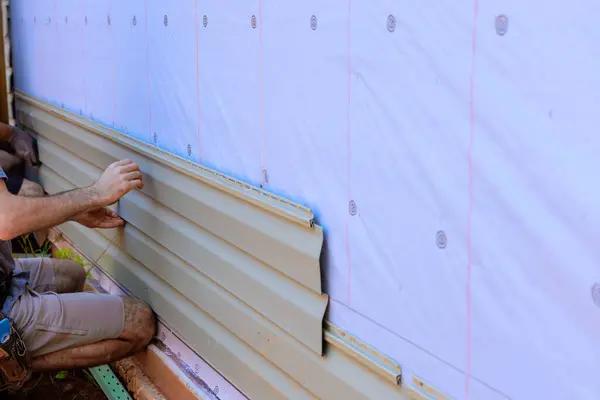
Rigid foam board panels offer high insulating values with minimal thickness requirements making them ideal for spaces where room is limited such as exterior walls under siding or basement walls below grade level. These boards resist moisture absorption effectively but require careful sealing at joints to prevent thermal bridging where heat might bypass the panels.
Choosing the right type of insulation depends on factors such as budget constraints, building design, climate considerations specific to Houston’s humidity levels, and long-term energy savings goals. Consulting with professional insulation contractors ensures proper assessment of property needs along with recommendations tailored for maximum efficiency and durability within local building codes.
Ultimately, evaluating these options side-by-side helps homeowners make informed decisions about improving comfort while lowering utility bills through appropriate investment in quality insulation materials suited for Houston’s unique environment conditions.