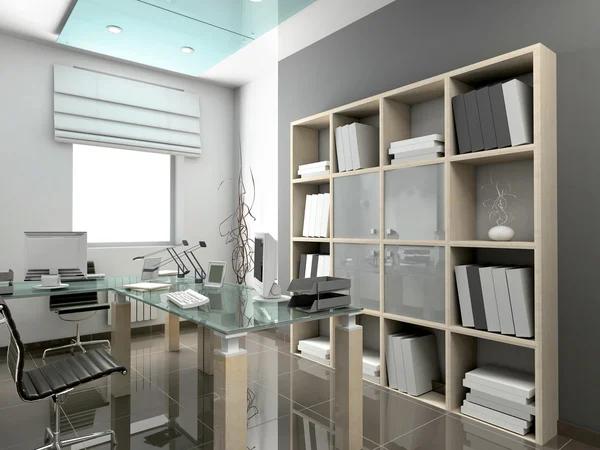
Furnishing an office space can be a daunting task, especially for startups and small businesses operating under tight budget constraints. However, creating a functional and aesthetically pleasing workspace doesn’t have to break the bank. With strategic planning and smart choices, it is possible to find budget-friendly office furniture that meets both your needs and financial limits.
The first step in furnishing your startup or small office economically is prioritizing essential items. Focus on acquiring crucial pieces like desks, chairs, and storage solutions before considering additional furnishings. Desks are fundamental as they serve as the primary workspace for employees. Opt for simple yet sturdy designs that provide enough surface area without unnecessary frills. Consider modular desks that offer flexibility in layout adjustments as your team grows.
Chairs are another critical component of any office environment since they directly impact employee comfort and productivity. Ergonomic chairs are highly recommended due to their health benefits; however, these can often come with hefty price tags. To balance cost with quality, look for chairs with basic ergonomic features such as adjustable height and lumbar support within your budget range.
Storage solutions should also be high on your list of priorities when setting up an office affordably. Open shelving units or filing cabinets can help keep the workspace organized without incurring significant expenses. Consider multi-functional furniture pieces that combine storage with other uses—like benches with built-in compartments—to maximize utility while minimizing costs.
In addition to focusing on essentials, explore alternative sources for purchasing affordable furniture. Second-hand stores, online marketplaces like Craigslist or Facebook Marketplace, and local auctions often have gently used items at a fraction of the original price. These avenues not only save money but also contribute to sustainability by giving pre-owned furniture a new lease on life.
Another strategy is embracing minimalism in design—less truly can be read more when done thoughtfully. A minimalist approach reduces clutter while promoting efficiency through simplicity in both function and form; it encourages investment in fewer but better-quality pieces rather than numerous low-cost options prone to faster wear-and-tear.
Lastly, don’t underestimate the power of DIY projects if you have time or skills available within your team! Simple modifications such as repainting old furniture or adding custom touches like new hardware can breathe fresh life into dated pieces at minimal expense.
Ultimately, outfitting an office space economically requires creativity alongside practical decision-making about what elements will best support daily operations now—and adapt well into future growth phases—all while staying comfortably within budgetary boundaries set forth by startup realities today’s market presents us all too clearly every day anew!