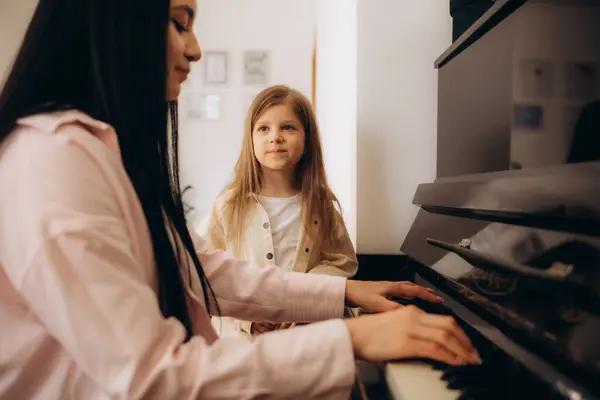
Choosing between piano lessons at home and studio lessons is a common dilemma for aspiring pianists and their families. Both options offer distinct advantages and challenges, making it essential to consider factors such as learning environment, instructor interaction, convenience, and student motivation when determining which approach delivers better results. Home-based piano lessons provide a comfortable and familiar setting that can reduce anxiety often associated with formal instruction spaces. This relaxed atmosphere may encourage students to practice more consistently since the instrument is readily accessible without the need for travel. Additionally, home lessons allow instructors to observe the student’s natural environment, tailoring teaching methods to suit individual needs effectively. However, this convenience can sometimes lead to distractions or less structured sessions if boundaries are not firmly established.
In contrast, studio lessons typically take place in dedicated music schools or private studios designed specifically for focused learning. These environments minimize interruptions and foster a professional mindset conducive to disciplined practice habits. The physical separation from everyday life helps students mentally prepare for each session with greater seriousness. Studio settings also often provide access to higher-quality instruments and additional resources like sheet music libraries or group classes that enhance overall musical development. Moreover, being surrounded uncover hidden gems by peers pursuing similar goals can inspire healthy competition and community support.
The quality of instruction remains paramount regardless of location; therefore, selecting a skilled teacher who matches the learner’s style is crucial in both scenarios. In-person interaction during studio visits may facilitate clearer communication through immediate feedback on posture and technique adjustments while allowing teachers to demonstrate nuances more effectively than virtual formats sometimes permit in home lessons conducted online.
When weighing these options against one another, logistical considerations such as scheduling flexibility come into play as well. Home lessons offer greater adaptability since they eliminate commute times and accommodate busy family routines more easily than fixed studio hours might allow.
Ultimately, neither option guarantees superior results universally; success depends heavily on factors like student commitment, parental involvement (especially for younger learners), consistency in practice routines outside lesson times, alongside instructor expertise tailored appropriately to the learner’s goals.
For those prioritizing comfort combined with personalized attention within their own space-and who possess self-discipline-home piano lessons can be highly effective. Conversely, individuals seeking immersive experiences supported by structured environments equipped with specialized resources may benefit more from traditional studio settings where focus is optimized.
By carefully evaluating personal preferences alongside practical considerations such as time availability and learning objectives rather than relying solely on general assumptions about either format’s superiority will help determine which method truly fosters meaningful progress in piano education over time.